
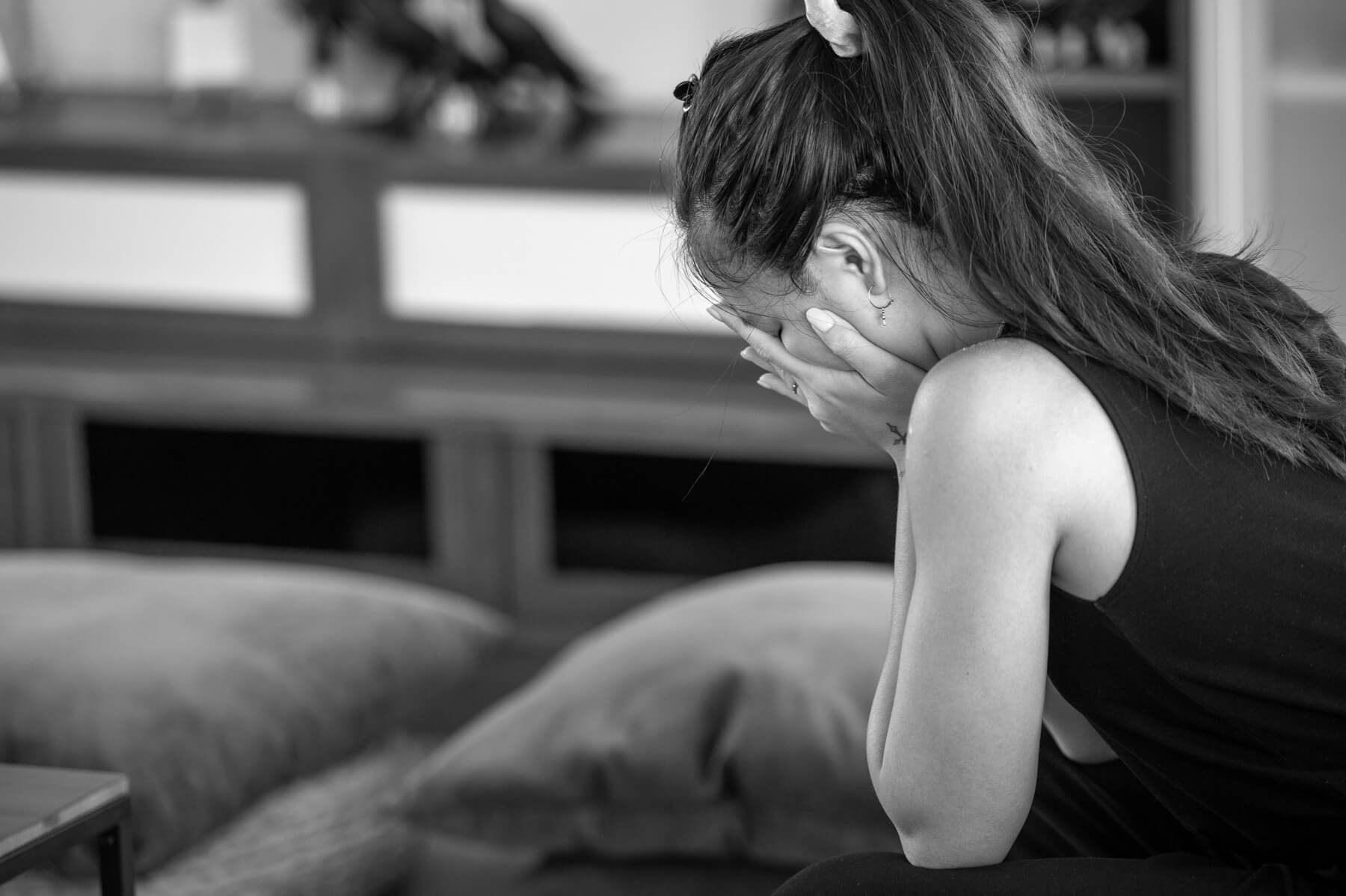
Receive Appropiate Treatment for Anxiety Disorders
Intense anxiety or panic attacks that interfere with daily life can impact your mental health and wellbeing.
Anxiety
Anxiety Disorders are different for every individual. There are several factors that can cause young people to experience increasing levels of anxiety. Unfortunately, many of the triggers are situated in the places where we would hope to feel safe; home, school and work.
Teenagers and Young People with anxiety are sensitive to changes in their environment and this can influence their coping abilities. When life is perceived to be stressful, it can cause an affect on both our physical and mental health. Anxiety is one of the many alarm systems that the body employs to ask us to slow down or make a change.
Over 60% of young people with anxiety do not receive the appropriate treatment.
Academic pressures, conflict at home, issues with body image, changing family dynamics, work, university, relationships and social engagements can all contribute to feelings of anxiety. A family history of anxiety can also be seen to be a factor in the development of anxiety in young people.
Over 60% of young people with anxiety do not receive the appropriate treatment. Anxiety is very unpleasant. In common with other mental health challenges, Anxiety can be debilitating and progressive. Extreme anxiety in young people can leave them unable to recall the last day or night that they were not affected. It can affect relationships, contribute to insomnia and have widespread effects on life. Sometime feelings of anxiety can be accompanied by drug or alcohol use. Teenagers, Young adults and older adults can attempt to self medicate the uncomfortable feelings and symptoms of anxiety with substances. Whilst this may appear to provide some short term relief, the potential for other substance related conditions may well increase. Heightened anxiety following a period of drug or alcohol use is also common. In combination, substances and anxiety can have severe and lasting affects on development and health. If you or a member of your family is using prescription medication that has not been prescribed for you by your Doctor; or find yourself using drugs or alcohol to control feelings and symptoms of anxiety; you should take advice from a medical professional as soon as possible.

Signs and Symptoms of Anxiety in Teens
There are many symptoms associated with anxiety disorders, which can vary according to the anxiety disorder type. However, common signs and symptoms include:
- Recurring fears and concerns about routine parts of everyday life
- Feeling tense, nervous, or restless
- Rapid breathing and/or increased heart rate
- Feeling tired, weak and worn out
- Sleep problems and/or changes in eating habits
- Low-level irritability or anger – unexplained outbursts
- Extreme self-consciousness or sensitivity to criticism
- Physical symptoms, including headaches, chest pains, tight muscles, sweating, trembling (including panic attacks)
- Trouble concentrating, focusing or staying on task
- Feeling anxious or nervous, particularly in social situations – avoiding new situations or isolating from peer group
- Having difficulty controlling worry to the point of overwhelm
- Changes in school performance, such as significant jump (up or down) in grades, missed assignments, procrastination
- Having the urge to avoid situations that trigger anxiety
- Substance abuse
If your teen appears to be struggling with anxiety that interferes with their school, friendships, family relationships, or other areas of daily functioning, it’s important to get an evaluation from a licensed mental health practitioner. Anxiety is treatable, and most teens can learn to cope with and manage their anxiety independently.
We all experience some levels of anxiety
We all feel occasional bouts of anxiety. These can be triggered by everyday events: going on a first date, taking an exam, waiting for test results. Anything that promotes change can give us some form of low level anxiety. Whilst it’s not a particularly comfortable feeling or one that we enjoy, it’s also completely normal.
The kind of anxiety that requires treatment is quite different. This anxiety affects our sleep; our day-to-day routines; or our ability to socialise, work or attend school if it’s occurring at least 6 days a week for a period of 6 months or longer.
Anxiety is one of the most common mental health concerns people have alongside depression. In fact, anxiety quite often comes along as a cousin or near neighbour of depression, and some people move rapidly from periods of depression to periods of anxiety. We also often find anxiety in people with other, co-occuring conditions such as substance use disorder or addiction. Anxiety is one of the reasons many people choose to self-medicate.

Obsessive Compulsive Disorder (OCD)
Obsessive and compulsive behaviours or symptoms are often described together, although you may find that your family member seems to demonstrate one more than the other. Obsessive symptoms can include thoughts, ideas, pictures and plans, that may jump into parts of your day, whilst you are engaged in other things. There is no control over the invasive thoughts or ideas. When they appear they can be incredibly distracting and even dangerous. Obsessive behaviours can involve us changing our plans or situations to act out on the obsession. It is very difficult to move away from the thought pattern or plan and can severely disrupt individuals and family life. Compulsive behaviours can include rituals and relative actions.
Phobias
A phobia is an intense, overwhelming, paralysing fear of a situation, person, place or event. The feeling is out of proportion to the danger that’s presenting, in the sense that it’s much greater than the normal sort of anxiety that we might experience around, for example, air travel, spiders or snakes.
A phobia is irrational but feels incredibly real. That’s why simply telling someone to snap out of it isn’t going to work. People who have phobias go to extreme lengths to avoid the situation that provokes the phobia, to the point that it alters the course or pattern of your life on a daily basis. A person with a phobia of flying might travel for 5 days by road or train to take a business trip.

Panic Disorders
Panic is an extreme experience and reaches its peak very quickly. Panic can descend completely unexpectedly, or the person might be aware of the situations and triggers that cause panic for them. Panic disorder can also co-occur alongside agoraphobia, Social Anxiety Disorder or other mental health conditions.
People will try and avoid what they believe to be the triggers that have brought about panic attacks in the past. These often include driving, being a passenger in a car (especially if a person was involved in a car accident) or using public transport. A significant amount of time might pass between the triggering incident and the appearance of the panic disorder. At The Wave, we know that panic disorders can bring about an immense amount of discomfort and difficulty in life. We treat panic disorders through talk therapy, art therapy, and creative therapies. Medication is sometimes used, and we may also move into the realms of very careful, very gentle exposure therapy.
Treatment for Anxiety Disorders
Fortunately, anxiety disorders are highly treatable conditions.
When it comes to teen anxiety, it may be helpful for individuals to speak to a family member about how they are feeling. However, more often than not, young people require treatment from a mental health professional to help them with their anxiety symptoms.
Recovery may come through psychotherapy, where teens can share their feelings with a therapist and seek to resolve any underlying issues that may be causing the anxiety. Others may benefit from mindfulness therapies where they learn about breathing exercise and effective relaxation techniques.
Treatment is highly dependent on a person’s individual circumstances and symptoms.
If you are a parent and suspect your child may be suffering from anxiety, or if you are worried that you may have an anxiety disorder, then be sure to get in touch with one of our specialists who will be able help.
